-
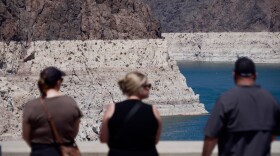 Lake Mead, the largest reservoir in the United States, has plummeted to its lowest water level since it was filled some 90 years ago, another sign of the crisis plaguing the Colorado River system.
 -
 Federal officials will not release cool water from Glen Canyon Dam, which would have protected a threatened native fish downstream but put more strain on already struggling hydropower production.
 -
 A project below Glen Canyon Dam is targeting invasive smallmouth bass that threaten native fish in the Colorado River.
 -
 Federal officials are considering cool water releases for the third consecutive year at Glen Canyon Dam in Northern Arizona this summer to safeguard the humpback chub, a federally protected fish.
 -
 Since 2021 Flagstaff photographer Dawn Kish has been documenting the reemerging Glen Canyon as the water levels at Lake Powell have dropped. She was inspired by Tad Nichols who photographed the canyon in the 1950s before it was dammed.
 -
 Two environmental groups worry that as drought causes Lake Powell's levels to drop infrastructure at Glen Canyon Dam could threaten water deliveries downstream.
 -
 Federal agencies have finished digging out a side channel below Glen Canyon Dam that's been a breeding ground for nonnative fish.
 -
 The Lower Basin states of Arizona, California and Nevada are asking for a fresh look at proposals for sharing the shrinking water supply and changes to Lake Powell and the Glen Canyon Dam.
 -
 This week’s meeting focused on the management of Glen Canyon Dam was canceled by the Trump Administration. It's one of many scientific conferences and federal meetings that have been canceled or indefinitely postponed.
 -
 The U.S. Bureau of Reclamation has begun water releases from Glen Canyon Dam to cool the temperature of the Colorado River and slow the reproduction of an unwanted fish threatening native species.

© 2026 KNAU Arizona Public Radio

Arizona Public Radio | Your Source for NPR News
Play Live Radio
Next Up:
0:00
0:00
Available On Air Stations


