

-
 Melissa Sevigny/KNAUWhy do the autumn leaves seem especially brilliant some years?
 -
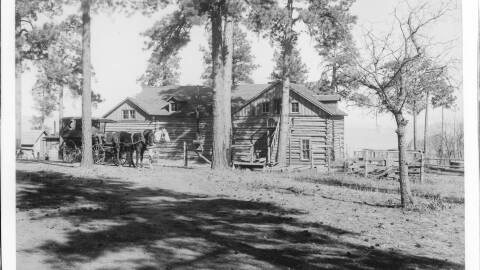 C. C. Pierce/California Historical SocietyA failed copper mine led to one of the Grand Canyon’s first hotel. Then the railroad arrived — and the hotel disappeared. But parts of it are still standing today.


-
 A tiny cactus that survives intense wildfire could offer clues about the resilience of ecosystems on the Colorado Plateau.
 -
 The spiral pattern in a sunflower’s seeds isn’t random. It follows a mathematical sequence that appears throughout the natural world.
 -
 Monsoon rains bring a torrent of colors to the Colorado Plateau. Yellow sunflowers emerge beside purple asters, blush-colored penstemons, and mauve lupine.
 -
 Annual meteor showers like the Perseids can give lovely shooting star displays – but they don’t produce meteorites. That’s because the tiny particles involved are made of fluffy, low-density clay-like material which burn up before reaching the ground.
 -
 On the evening of October 9, 1946, members of the Kaibab Trail crew at the Grand Canyon National Park were watching the sky during a meteor shower caused by the trail of Comet Giacobini-Zinner.
 -
 New research shows a small change in where homes are built could make a big difference for wildlife like elk, mule deer and pronghorn.
 -
 Ancient agave plants are helping researchers uncover clues about the people who lived in the Southwest more than 1,000 years ago.
 -
 That unmistakable smell after rain has a name: petrichor. It's been signaling the arrival of rain for millions of years.
 -
 Magpies have earned a bad rap as the bully in the birdyard — some even call them the birds everyone loves to hate. But the often-misunderstood magpie may deserve a little more credit than they get.
 -
 The barrel cactus won’t slake your thirst on a hot desert day. It’s named for its stout shape, not its contents.


