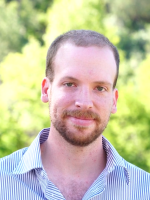
Nephi Craig is a White Mountain Apache chef who started Café Gozhóó, a restaurant on the reservation in eastern Arizona that serves Western Apache-inspired cuisine.
He’s one of the most well-known Indigenous chefs in the state. He founded the Native American Culinary Association. But, before that, Craig struggled with addiction for years. He finished nine stints in rehab and ran away from many others.
Now, he works as the nutritional recovery program coordinator at a tribally-owned treatment center in Whiteriver.
KNAU’s Chris Clements spoke to Craig about his new memoir recounting his upbringing on the White Mountain Apache Reservation and the Navajo Nation, his culinary journey and his history with addiction.
The book is titled “Our Knives Will Save Us: Dispatches From a White Mountain Apache Chef.” Craig will be at Bright Side Bookshop in Flagstaff on Aug. 3 for a book talk and signing.
CHRIS CLEMENTS: In “Our Knives Will Save Us,” you mention that there's been an erasure of your ancestors' contributions to food history. I was wondering if you could talk to me more about that.
NEPHI CRAIG: The erasure I'm referring to is the historical facts of how Indigenous people have contributed to world cuisine, from an agricultural, scientific, and cooking standpoint. The question that people ask all the time is, "What is Native American cuisine? What are the ingredients?” And, little do they know, they've been eating them their whole lives in America. I always will let people know that in the grocery store, 70 to 75% of all of those products are based on Indigenous cultivars from the Americas.
This cultural erasure of food history and food information, as it relates to Native peoples, strips us of a large part of our identity, a large part of our ancestral intelligence. Now that we're in this era where we're working to revitalize it, it's like two-, three-, four-, five-hundred years later — now, when we do bring it back and bring the discussion into the public mind, some people are very resistant to that.
CLEMENTS: What do you hope people understand about you or about addiction that they might not have understood before reading the book?
CRAIG: Recovery from addiction doesn't happen by going to treatment one time. If it does, that's awesome. It's an amazing example of how it can work for some people. But a lot of times — what we know now in the field of mental health is that it could take someone four to six to eight times cycling through programs for them to be ready and the information to stick, and this process of recovery takes time. So I think when I wrote "Our Knives Will Save Us,” I wanted to use my story of recovery, the journey to sobriety, as a tool. I tell people all the time, I'm not bragging about it. I'm just not ashamed of it anymore, and I want people that are still struggling to know that there is hope, and you're not alone.
CLEMENTS: You talk in your memoir about the power food has to heal intergenerational wounds, and I'm wondering if there are specific moments you can point to where you watched food help someone.
CRAIG: When you reclaim elements of this food history we're talking about, that Indigenous foods changed the world forever, you really reconnect with a strength that was there the whole time, you have a sense of validation, you have a sense of confidence, and a sense of spiritual awareness that yes, we do come from a powerful civilization. We do have a right to reclaim and create the narrative, because everything that we've been taught — a big majority of everything we've been taught around food, nutrition, science, culture, cuisine, just about everything — was not written by Native peoples. It was written by other people about us.