


Chris Clements
ReporterChris Clements is an award-winning journalist for KNAU whose reporting interests include coverage of the Colorado River, uranium and coal mining and public health. Originally from Phoenix, Arizona, he's covered state politics, environmental issues, Indigenous communities and public health in southwest Colorado, Wyoming and Arizona. He's earned awards from the Society of Professional Journalists and the Public Media Journalists Association. His local stories are regularly rebroadcast on NPR programs such as Morning Edition, All Things Considered and Weekend Edition. Contact Chris at Chris.Clements@nau.edu.
-
 The flood comes after a different deluge on Aug. 29 destroyed infrastructure and led to the deaths of three hikers.
 -
 Navajo police say two adults and a juvenile were washed away by a flood near Newcomb, New Mexico early Wednesday. Several other areas on the Navajo Nation are also dealing with flooding.
 -
 The survey comes days before a ban on new mining claims within the monuments is set to expire.
 -
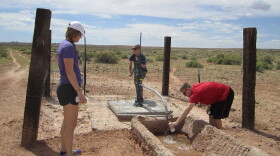 A professor at Northern Arizona University teamed up with Navajo communities to test water quality in remote wells. The map is meant to help tribal members still struggling with the effects of past uranium mining.
 -
 The environmental groups argue Trump’s slashing of Bears Ears and Grand Staircase-Escalante national monuments is illegal.
 -
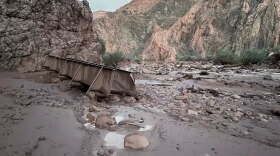 Craig Childs has witnessed numerous floods in the Grand Canyon. He once interviewed a man who survived a flash flood in Bright Angel Creek, the same drainage that flooded this weekend.
 -
 At least one person is dead and more than a dozen others missing after severe flash flooding in one of the most visited portions of Grand Canyon National Park.
 -
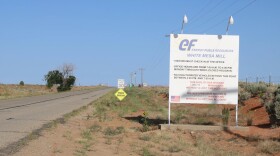 House Democrats gave the uranium mining company until Aug. 24 to hand over communications between its executives and the Trump administration.
 -
 The answer lies in the country’s unique tax system. Canadian firms are part of a boom in proposed mining projects in the American Southwest.
 -
 Bears Ears and Grand Staircase-Escalante national monuments were slashed by President Trump last month, opening them up to new mining claims.


