-
 Bears Ears and Grand Staircase-Escalante national monuments were slashed by President Trump last month, opening them up to new mining claims.
 -
 “He went for the jugular on this one,” a member of the Paiute Indian Tribe of Utah told KNAU about Trump's national monument cuts. At risk are sacred sites and plants in Bears Ears and Grand Staircase-Escalante national monuments.
 -
 Trump’s reduction of the national monuments by about 90% comes over the objections of tribal nations and conservation groups.
 -
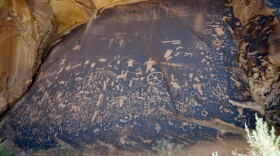 President Donald Trump has slashed the size of Bears Ears and Grand Staircase-Escalante national monuments in souther Utah by about 90%, unraveling protections established by former presidents.
 -
 Trump administration will consider redrawing boundaries of national monuments as part of energy pushInterior Secretary Doug Burgum has ordered federal officials to review and consider redrawing the boundaries of national monuments created under previous presidents to protect unique landscapes and cultural resources.
 -
 Native American tribes and conservation groups are pressing President Joe Biden to designate more national monuments before he leaves office next month.
 -
 Conservation groups worry President-elect Donald Trump could attempt to rollback some national monuments, as he did in his first term.
 -
 State Republican leaders have asked a federal appeal court to roll back two national monuments in Utah as they plan to file their own lawsuit over a new monument at the Grand Canyon.
 -
A federal judge has tossed a lawsuit by Utah political leaders who asked the courts to declare President Joe Biden’s restoration of Bears Ears and Grand Staircase-Escalante national monuments unlawful.
-
 A new paper describes the importance of two pieces of jewelry found in Bears Ears National Monument…. rare necklaces made from beetles. These unusual objects offer a glimpse into the daily lives of Indigenous peoples who lived in the region more than two thousand years ago. KNAU’s Melissa Sevigny spoke about the necklaces with Kaibab National Forest archaeologist Michael Terlep.

© 2026 KNAU Arizona Public Radio

Arizona Public Radio | Your Source for NPR News
Play Live Radio
Next Up:
0:00
0:00
Available On Air Stations


