-
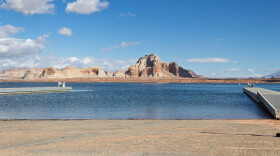 Recent flooding across the U.S. Southwest is providing rare relief to thirsty reservoirs that had fallen to record lows amid a yearslong megadrought. Lake Powell rose more than 20 feet from its mid-September low — dwarfing its gains from this year's snowmelt.
-
 Local governments point to a regional water authority and stormwater recharge to combat over drafting, while rural residents turn to hauling water and home storage.
-
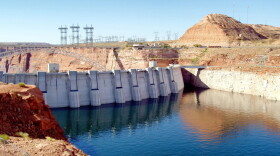 The Central Arizona Project board is voicing disagreement over whether federal water reclamation plans are fair to Arizona and other lower basin states.
-
 Colorado River plan orders cuts in the Lower Basin, while relying on voluntary conservation upstreamThree states are being required to cut their water use under a final plan for managing the Colorado River over the next two years, while the four upstream states are being asked to voluntarily conserve water.
-
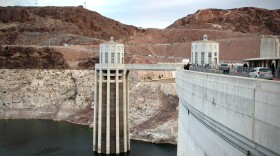 Just days after the federal government released new plans for sharing water from the shrinking Colorado River, it is getting sued by Nevada, one of the states impacted by the plan.
-
 The federal government announced the details of its strategy to rein in demand for the Colorado River’s water through 2027 and 2028 and it will mean big cuts for Arizona’s water supply.
-
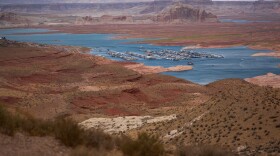 The water level at Lake Powell, the United States’ second-largest reservoir, has fallen to a record low, heightening concerns about the ongoing crisis in the Colorado River system.
-
 As Lake Powell shrinks to near historic lows, marinas have had to adapt, and boat ramps have closed or moved to deeper waters.
-
 Millions remain under strict water restrictions because of historic drought. Failing to conserve could mean empty reservoirs, and even harsher restrictions.
-
 Researchers say decades of dry, hot conditions have killed pinyon pine and juniper forests across the West.

© 2026 KNAU Arizona Public Radio

Arizona Public Radio | Your Source for NPR News
Play Live Radio
Next Up:
0:00
0:00
Available On Air Stations


