-
 Water deliveries to Grand Canyon National Park are underway as officials work to restore water service by Nov. 16th following August’s deadly flash flood.
 -
 Grand Canyon National Park officials aim to restore water service to the South Rim by Nov. 16 and to residents by Thanksgiving. Concessionaires would then begin a phased reopening of overnight lodging.
 -
 States that share the Colorado River have been meeting behind closed doors. But as they've failed to forge a deal for the river's future, more are questioning the negotiation process itself.
 -
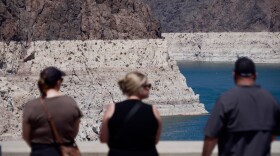 Lake Mead, the largest reservoir in the United States, has plummeted to its lowest water level since it was filled some 90 years ago, another sign of the crisis plaguing the Colorado River system.
 -
 Grand Canyon National Park officials have implemented water restrictions on the South Rim following a break in the Transcanyon Waterline.
 -
 Millions remain under strict water restrictions because of historic drought. Failing to conserve could mean empty reservoirs, and even harsher restrictions.
 -
 Scientists with the U.S. Geological Survey have found evidence of human contamination and forever chemicals in Monument Springs and other remote springs within Grand Canyon National Park.
 -
 It's not clear yet how the money would be distributed among several states in a river basin where political fights and an impasse over how to share water long-term have persisted even during historic drought.
 -
 Officials at Grand Canyon National Park will begin to ease water restrictions Friday as crews make progress repairing breaks in the Transcanyon Waterline.
 -
 New Mexico water negotiator Estevan López said talks resumed this month, and the upper and lower basin states are using a short-term pitch from Nevada as a starting point.

© 2026 KNAU Arizona Public Radio

Arizona Public Radio | Your Source for NPR News
Play Live Radio
Next Up:
0:00
0:00
Available On Air Stations


