-
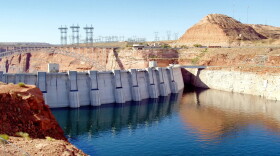 The Central Arizona Project board is voicing disagreement over whether federal water reclamation plans are fair to Arizona and other lower basin states.
 -
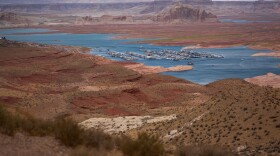 The water level at Lake Powell, the United States’ second-largest reservoir, has fallen to a record low, heightening concerns about the ongoing crisis in the Colorado River system.
 -
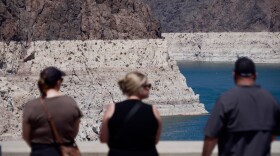 Lake Mead, the largest reservoir in the United States, has plummeted to its lowest water level since it was filled some 90 years ago, another sign of the crisis plaguing the Colorado River system.
 -
 Federal officials will not release cool water from Glen Canyon Dam, which would have protected a threatened native fish downstream but put more strain on already struggling hydropower production.
 -
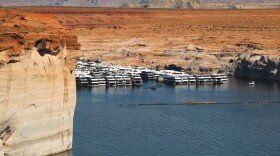 Politicians and water officials say the plan could devastate Arizona's water supply, and pushed the federal government to adopt a counterproposal from the three Lower Basin states.
 -
 As Lake Powell shrinks to near historic lows, marinas have had to adapt, and boat ramps have closed or moved to deeper waters.
 -
 Millions remain under strict water restrictions because of historic drought. Failing to conserve could mean empty reservoirs, and even harsher restrictions.
 -
 Environmental advocates worry about the future of cool mix flows, which send water from Lake Powell to protect threatened humpback chub in the Grand Canyon.
 -
 An ongoing deadlock between the seven states that rely on the Colorado River may have dire consequences for Arizona.
 -
 It's not clear yet how the money would be distributed among several states in a river basin where political fights and an impasse over how to share water long-term have persisted even during historic drought.

© 2026 KNAU Arizona Public Radio

Arizona Public Radio | Your Source for NPR News
Play Live Radio
Next Up:
0:00
0:00
Available On Air Stations


